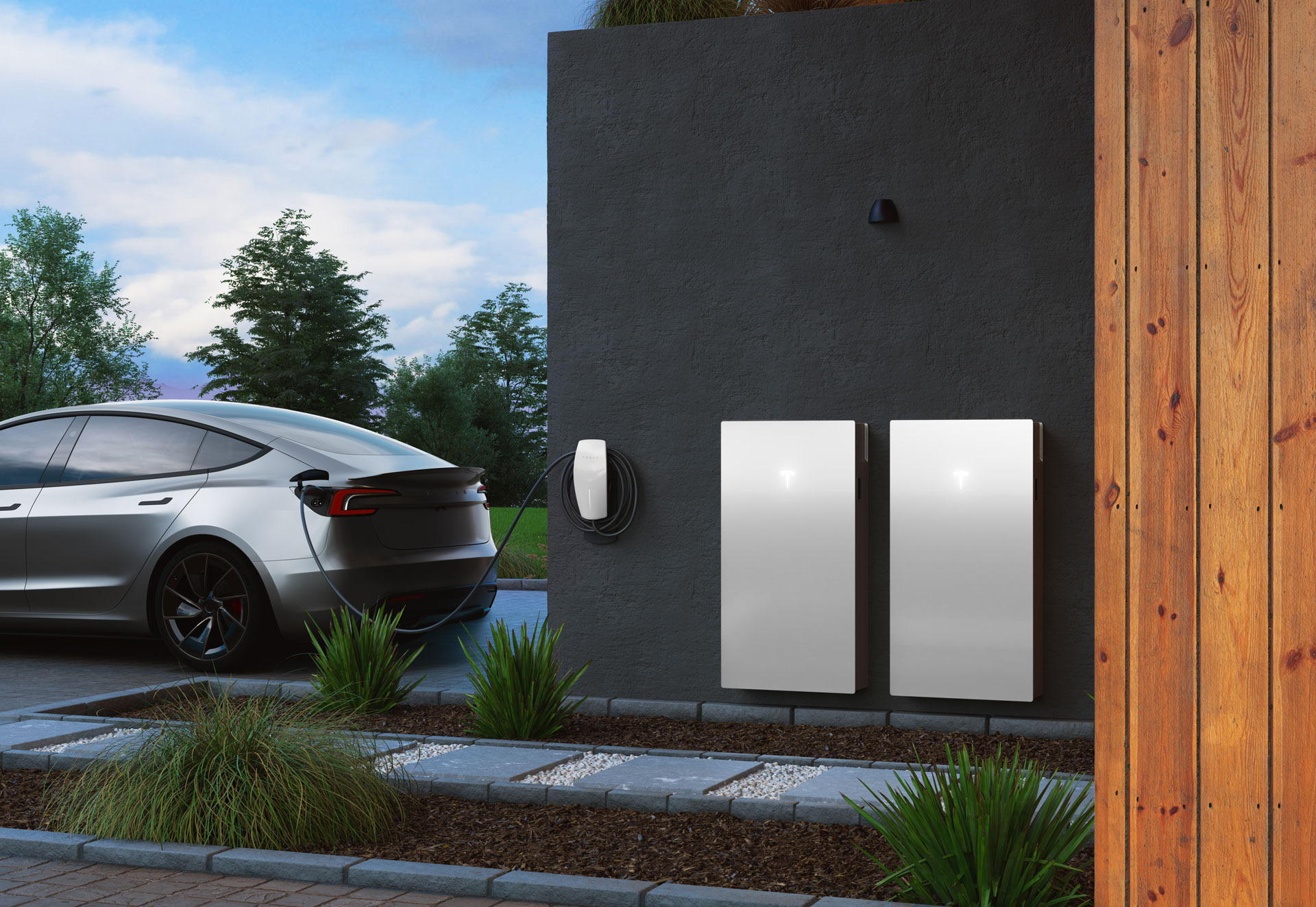
AC Coupled Battery Storage — Add a Battery to Your Existing Solar System
If you've already got solar panels, you don't need to replace your inverter to add a battery. AC coupled battery storage works alongside your existing solar setup — and it works as a standalone unit if you don't have solar at all.
What is AC coupling?
In a normal "DC coupled" solar + battery setup, the panels, battery and grid all share a single hybrid inverter. That works brilliantly when you're installing everything new on the same day — but it's a problem if you already have solar and want to add a battery later.
An AC coupled battery system is the answer. Your existing solar inverter stays exactly as it is, and we add a separate battery inverter that charges the battery from the AC side of the system. No need to replace, upgrade or rewire your solar inverter.
It's also the right choice if you want a battery without solar at all — the same hardware can charge from the grid on a cheap overnight tariff and discharge during peak hours.
AC vs DC coupled — quick comparison
Most homeowners don't need to dig into the technical detail — but if you're choosing between a retrofit and a new combined system, this matters. Here's how they compare on the factors that affect your decision:
| Factor | AC Coupled | DC Coupled (Hybrid) |
|---|---|---|
| Best for retrofit | ✅ Yes | ❌ Means replacing your existing solar inverter |
| Best for new install (solar + battery same day) | OK | ✅ Slightly more efficient |
| Standalone battery (no solar) | ✅ Works as-is | ❌ Designed around solar |
| Round-trip efficiency | ~90% | ~94% |
| Typical retrofit cost premium | +£200-£600 vs DC retrofit | Higher — full inverter swap |
| Mix-and-match brands | ✅ Any solar inverter, any battery | ❌ Must match brand/system |
Standalone battery (no solar required)
An AC coupled battery doesn't need solar to be useful. You can install one on its own and use it to:
- Charge from cheap overnight rates — Octopus Agile or Intelligent Octopus at 5-7p/kWh, then discharge during the day at 24p+
- Provide backup power during outages (with the right hardware — we'll specify if you want this)
- Be ready for solar later — when you do add panels, the battery is already in place
Typical payback for a standalone grid-charged battery on Octopus Agile is currently 5-8 years, depending on your usage profile. With solar, payback drops further.
Compatible with any existing solar
We can add AC coupled storage to systems running:
- SolarEdge (with or without optimisers)
- SMA Sunny Boy / Tripower
- Solis (1G, 3G, 4G, 5G)
- Growatt (older and newer models)
- Fronius Primo / Symo
- GivEnergy AC inverter (existing solar-only setups)
- Huawei SUN2000
- Fox ESS solar-only inverters
- Older systems including Power-One, Eltek, Aurora and decommissioned brands
We'll check compatibility during the site survey — there's almost nothing in the UK domestic market we can't AC couple.
Battery options we install
| Battery | Capacity options | Best for |
|---|---|---|
| Tesla Powerwall 3 | 13.5 kWh modular | Larger homes, premium build |
| SigenStor by SigEnergy | 5 / 8 / 12 / 16 kWh | V2H-ready, smart tariff integration |
| GivEnergy Giv-Bat | 5.2 / 9.5 / 13.5 kWh | UK-built, value option |
| Huawei LUNA | 5 / 10 / 15 kWh modular | SolarEdge / Huawei systems |
| Pylontech | 2.4 / 3.5 / 4.8 kWh stackable | Off-grid and small standalone |
| Fox ESS | 5.8 / 11.6 kWh | Budget retrofit |
SigenStor — modular & scalable
Stack-and-grow architecture: start with 9 kWh, add modules as your needs change. AC coupled by default, V2H ready, and the same one-app ecosystem for solar, battery and EV. Best fit for households who want flexibility.
SigenStor service page →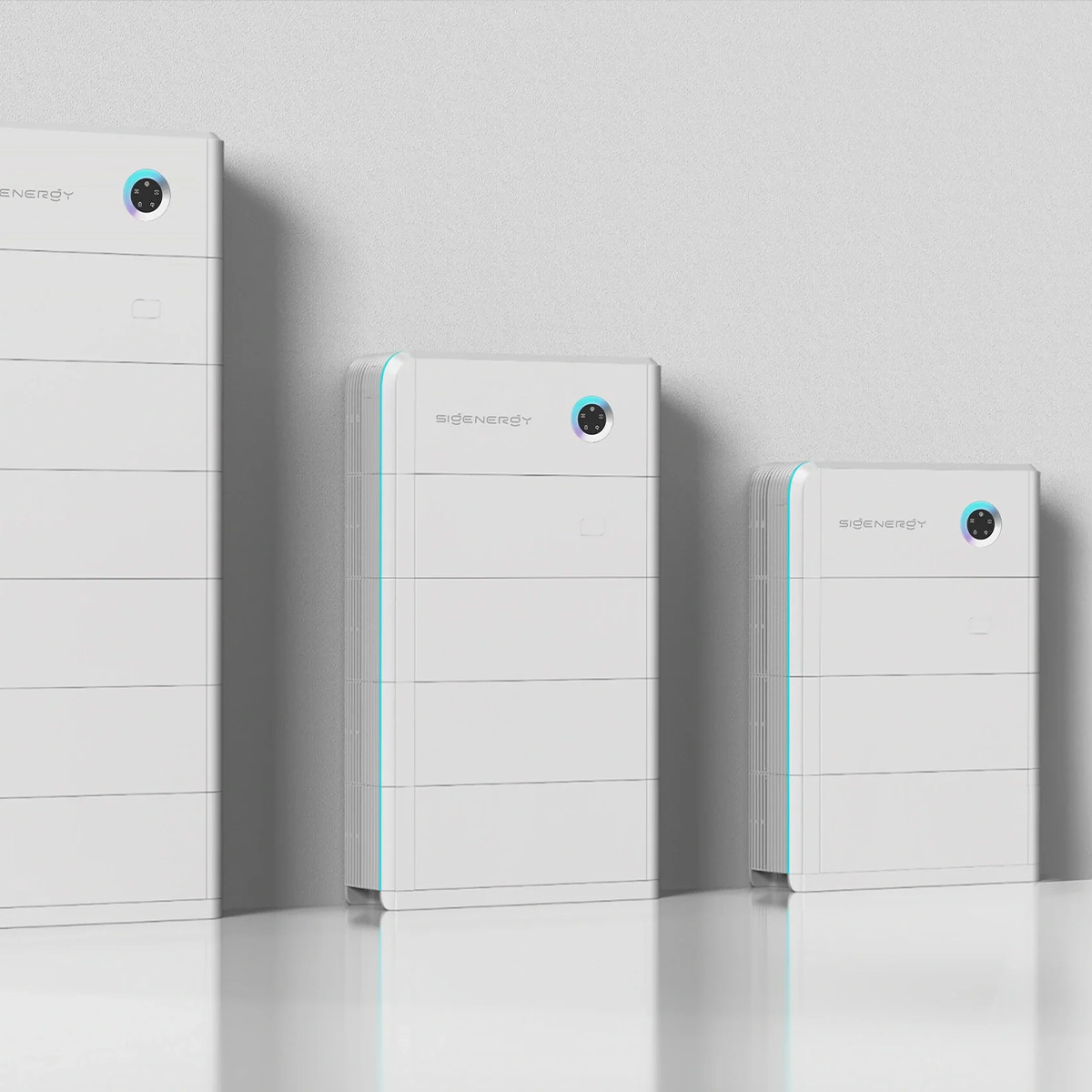
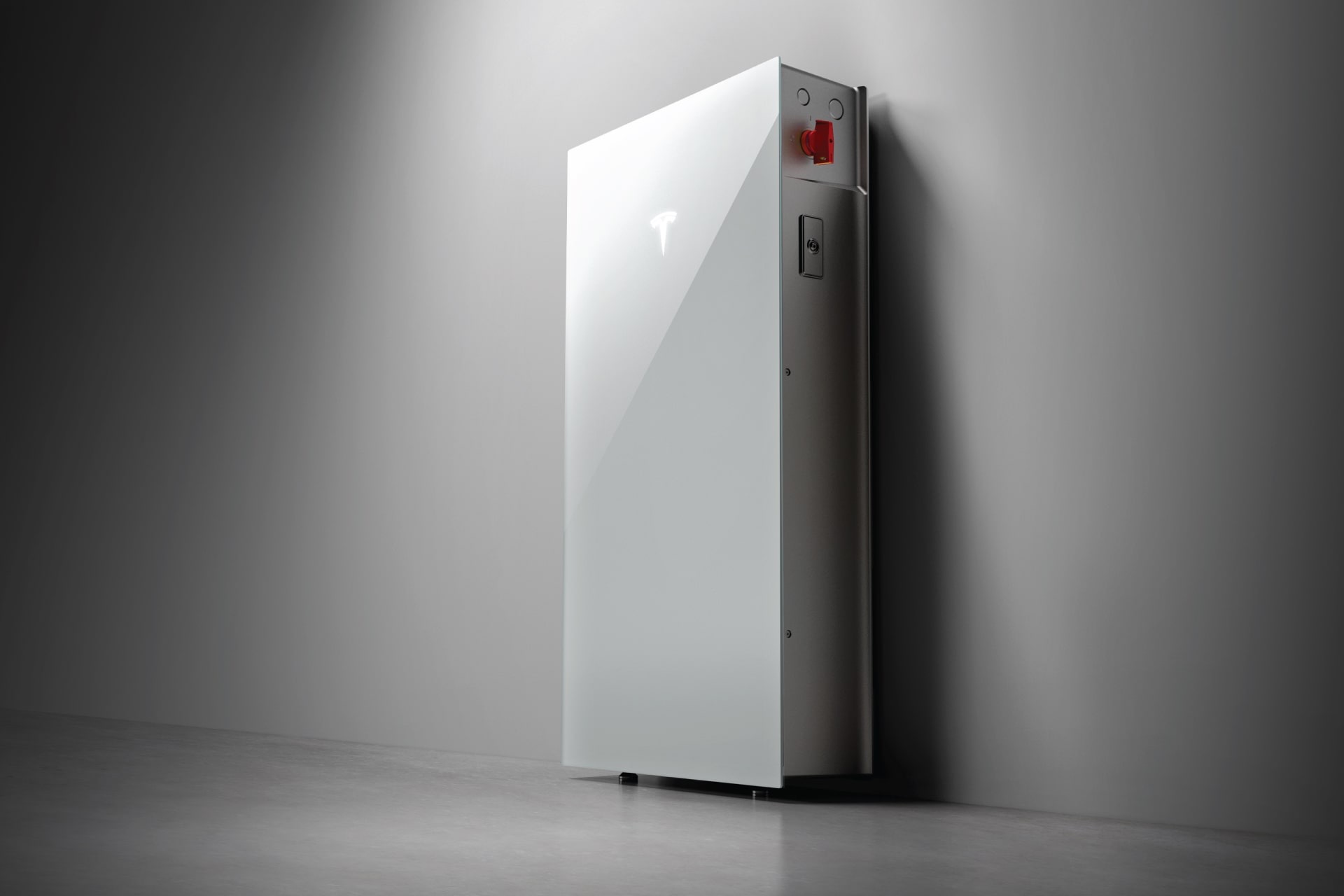
Tesla Powerwall 3 — premium fixed capacity
Single 13.5 kWh unit with whole-home backup as standard. Industry-leading 11.5 kW continuous output (most rivals max out at 5 kW). Best fit for higher-demand households who want a "set and forget" install.
Powerwall service page →Costs
Smart tariff integration
Where AC coupled storage really earns its keep is on a time-of-use tariff. Most of our installs are configured for Octopus Flux (charges at 2-7p in solar hours and 5-7p overnight, discharges at 24p+) or Intelligent Octopus Go if you also have an EV. See our smart tariff guide for a full breakdown.
The battery management system manages the import/export schedule automatically — you set it once and forget about it.
Free survey and fixed-price quote
We'll check your existing solar system, recommend the right battery for your usage and tariff, and quote you a fixed price.
Related reading
- Battery storage overview
- SigenStor by SigEnergy — V2H-ready, modular battery
- Tesla Powerwall 3 — 13.5 kWh, premium option
- 0% VAT and other current incentives
- Best energy tariff for solar + battery
Frequently Asked Questions
Can I add a battery to my existing solar panels?
Do I need to replace my solar inverter?
What's the difference between AC coupled and DC coupled?
Can I install a battery without solar?
Will the battery work during a power cut?
How long do home batteries last?
What's the round-trip efficiency?
Do batteries qualify for 0% VAT?
Ready to get started?
Free no-obligation quotes from your local MCS & NAPIT certified installer in Milton Keynes and Buckinghamshire.