
Vehicle-to-Home (V2H) Installation in Milton Keynes
Your EV battery is bigger than any home battery on the market. Vehicle-to-Home turns your car into a 40-100 kWh home battery — powering your house through outages and the most expensive hours of the day.
What is V2H?
Vehicle-to-Home (V2H) lets electricity flow both ways through your EV charger. As well as charging your car, the charger can pull power back out of the EV battery to run your home — useful when the grid is expensive (peak tariff hours), when solar isn't generating (overnight, winter), or during a blackout.
Most modern EVs have a battery between 40 and 100 kWh. For comparison, a top-spec home battery is typically 13-16 kWh. Used carefully, your car can power an average UK home for 3-7 days on a single full charge.
How it works
A bidirectional charger (sometimes called a V2H or V2X charger) replaces your normal one-way EV charger. It includes a power conversion unit that turns DC from the car battery into AC for your home — the same job a home battery's inverter does, but with the car battery as the storage.
The charger connects to your home's consumer unit and is controlled by an energy management system. When the grid is cheap or solar is generating, it charges the car. When the grid is expensive, it discharges the car to power the house instead. You set the rules once; the system manages everything automatically.
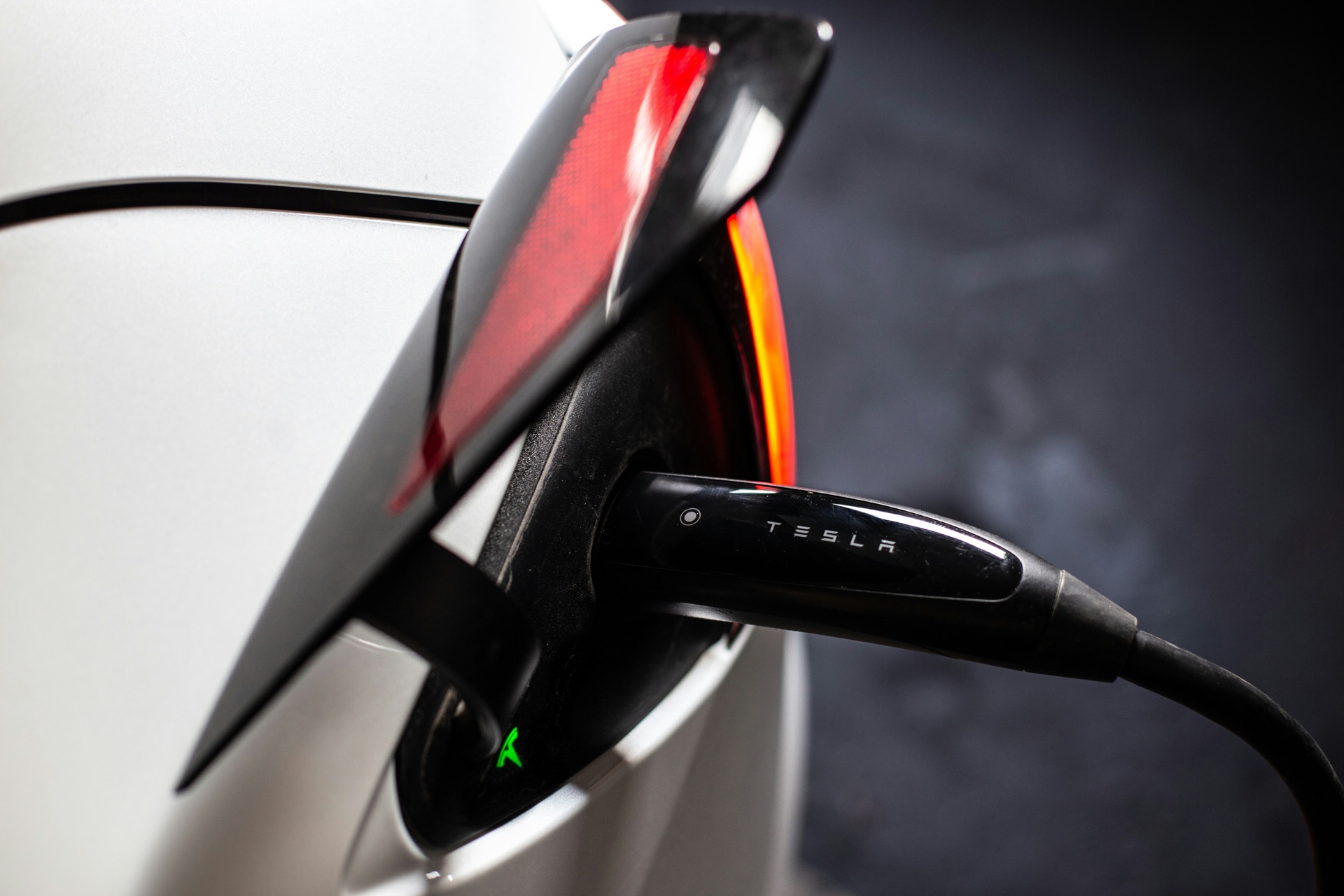
Same plug, smarter direction
V2H uses the same CCS-2 connector as standard fast charging — but the bidirectional charger negotiates with the car to allow energy to flow out of the battery as well as in. The car decides when to allow it (and how much) based on state-of-charge limits we configure during install.
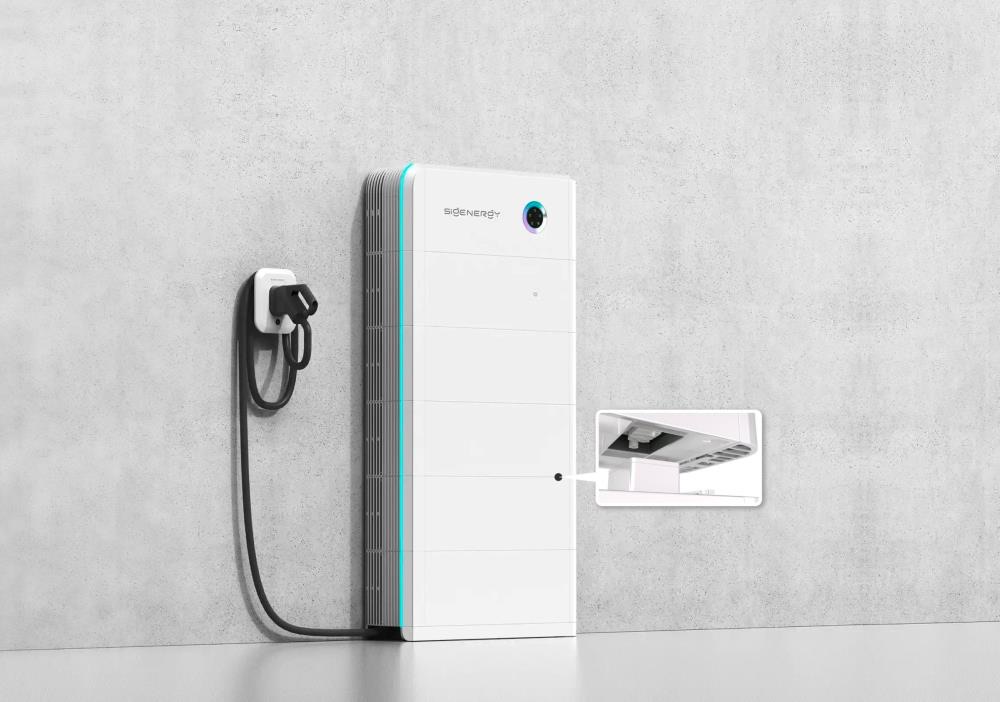
We install SigEnergy V2H
SigEnergy is the V2H system we recommend most strongly. Three reasons:
- One ecosystem. The same SigenStor cabinet that handles your home battery and solar inverter also manages the V2H charger. One app for everything.
- Future proof. V2G (export to grid) is coming in the UK over the next 2-3 years; SigEnergy hardware is designed to upgrade to it via firmware.
- Compatible vehicle list grows monthly. SigEnergy works with most CCS-2 EVs that support bidirectional charging — see the table below.
If you're already a SigEnergy customer, V2H is a clean upgrade. See our SigenStor service page for the wider system.
V2H-compatible cars (UK, 2026)
The compatible-vehicle list is moving fast. Currently confirmed for V2H in the UK:
- Nissan Leaf (CHAdeMO and newer CCS variants)
- Nissan Ariya
- Mitsubishi Outlander PHEV
- KIA EV6 / EV9
- Hyundai IONIQ 5 / IONIQ 6
- BYD Atto 3, Seal
- Volvo EX30 (firmware update required)
- Polestar 3
- Most 2025+ MG and Ford Mustang Mach-E variants (check VIN)
Tesla doesn't currently support V2H in the UK, though Tesla Powerwall 3 is an excellent home battery alternative — see our Powerwall service page.
What you can run from your car battery
| Use case | Typical power draw | Time on a full 60 kWh EV battery |
|---|---|---|
| Average UK home (everything on) | 10-15 kWh / day | 4-6 days |
| Home in winter (heating excluded) | 15-20 kWh / day | 3-4 days |
| Critical loads only (lights, fridge, freezer, broadband) | 3-5 kWh / day | 10-20 days |
| Just powering the most expensive 4 hours each day | 3-5 kWh | 12-20 days |
V2H vs V2G — the difference
V2H (Vehicle-to-Home) means your EV powers your own home. No grid export. This is what's available now in the UK.
V2G (Vehicle-to-Grid) means your EV exports power back to the national grid and you get paid for it. This is coming in the UK over the next 2-3 years but isn't widely available yet — only a few pilot programmes (Octopus, ev.energy) are running.
We install V2H today; the SigEnergy hardware is upgradable to V2G via firmware when the regulatory framework is in place.
Cost
Is V2H right for me?
Quick checklist — you're a strong fit if:
- You drive an EV with confirmed V2H support (see list above)
- You're on or planning to switch to an EV smart tariff (Intelligent Octopus, Flux)
- You have or are planning to add solar — V2H + solar is the most cost-effective combination
- You're home-charging most of the time (V2H needs the car plugged in to be useful)
- You experience grid outages or want backup power for resilience
Get a SigEnergy V2H quote
Free site survey across Milton Keynes and Buckinghamshire. We confirm vehicle compatibility, size the system to your usage and quote a fixed price.
Frequently Asked Questions
Will V2H damage my car battery?
Which cars work with V2H in the UK?
Does V2H work with solar panels?
Can I export power from my car back to the grid?
Will V2H power my home during a blackout?
How much can V2H save me?
Do I need to keep the car plugged in?
Is the install MCS certified?
Read more on this
Ready to get started?
Free no-obligation quotes from your local MCS & NAPIT certified installer in Milton Keynes and Buckinghamshire.