
Straight Answers — EV Tariffs, Solar, Battery & V2H
EV Tariff, Solar & Battery in Milton Keynes — What Actually Works
Smart EV tariffs, solar, battery storage and Vehicle-to-Home get sold as one perfect combination. Here's an honest breakdown of how they actually fit together — and what genuinely depends on your setup.
Why EV tariffs, solar and batteries keep getting sold as one package
— this page deliberately avoids quoting pence-per-kWh rates. Supplier tariffs change often, so we'd rather point you to the live number than print one that's gone stale.
Search “best EV tariff” and most results assume you already have solar and a battery. Search “solar and battery” and most assume you're driving an EV. In reality, each piece solves a different gap in your day — and you don't need all three to benefit from any one of them.
A smart EV tariff makes home charging cheap during a set overnight window. Solar panels generate free electricity in daylight hours, whether or not you're home to use it straight away. A battery stores whatever you don't use immediately — solar surplus, or cheap overnight import — so it's available whenever you actually need it. Add a V2H-ready car and charger, and the car itself becomes extra storage too.
None of this is exclusive. Plenty of our customers only want one of these; some want all four. This page explains how they fit together honestly, without pretending there's one universal setup that suits everyone.
So what's the best EV tariff, really?
There isn't a single answer. The right EV tariff for a house with no solar and no battery is different from the right one for a house with all three — and the answer changes as suppliers update their offers.
EV only — no solar, no battery yet
A dedicated EV smart tariff — Intelligent Octopus Go is the best-known example — works by scheduling your car to charge inside a set overnight window automatically, once it's plugged in and you've told the app when you need it ready. The rest of your home stays on its normal rate; only the car's charging moves into the cheap window.
Solar + battery, no EV yet
If you don't have an EV, some suppliers offer tariffs that pay more for battery-stored solar exported during specific peak hours, and charge less for topping the battery up from the grid overnight. These require a battery model on the supplier's current compatible list — not every battery qualifies, and the list changes.
The peak export rate and the off-peak import rate for this kind of tariff are [rate — confirm with Matthew] at time of writing. We'll confirm the current numbers with you directly rather than print something that may have already moved.
EV + solar + battery together
This is where the tariff choice genuinely depends on your setup: your car's charging pattern, your battery's size, and how much of your driving happens on days the sun isn't out. There's no shortcut to the right answer — it comes from your actual usage, not a generic table of rates.
We're not going to guess a number for your home on a web page. On a free survey, we look at your real consumption, your current supplier and tariff, and — if relevant — your car and battery model, then tell you plainly what's worth switching to and what isn't.
The tariff only pays off if the car's actually plugged in
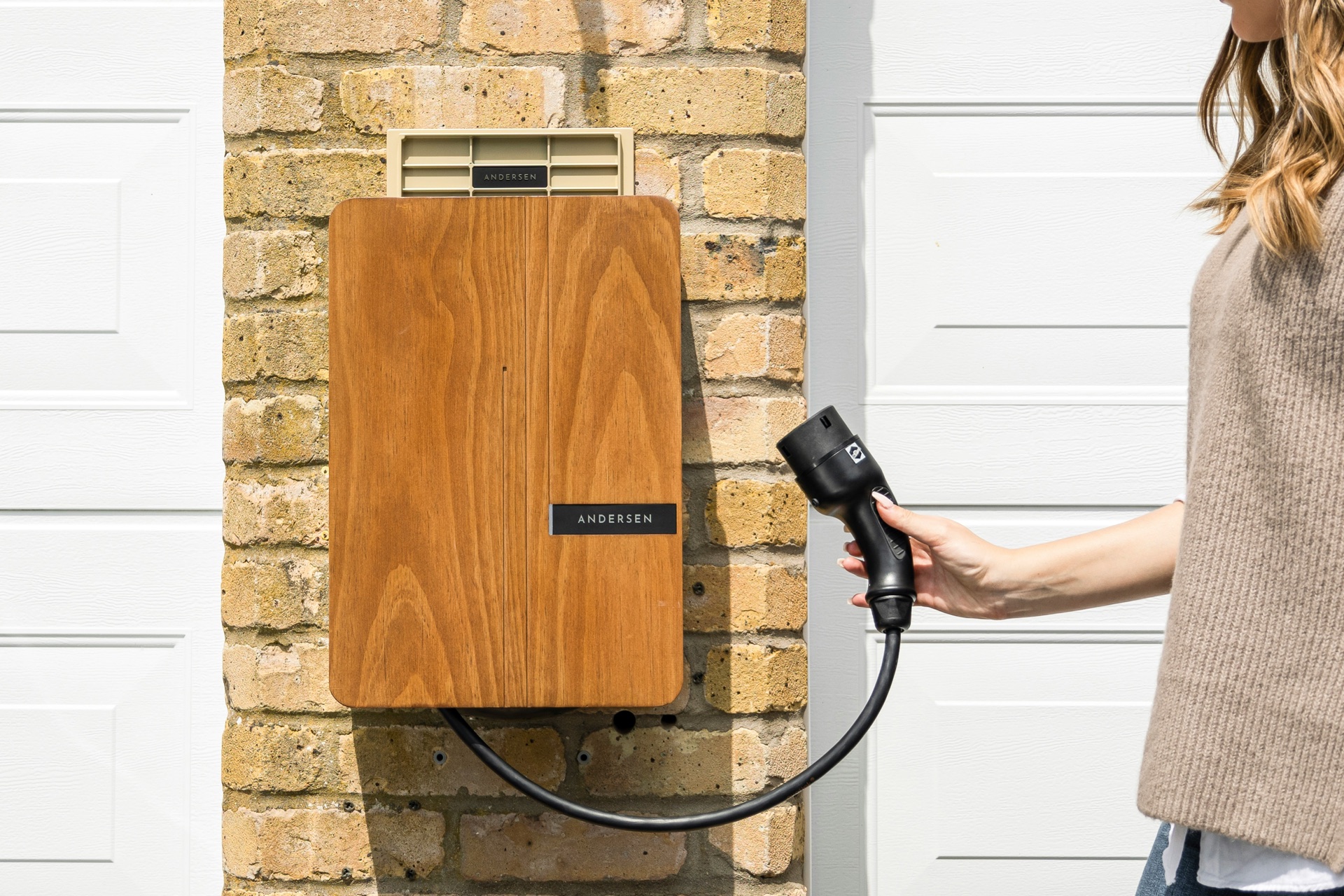
Every EV smart tariff assumes the car is plugged in during its cheap window — usually somewhere overnight. If your routine means the car's regularly still out, or left unplugged, you won't see the benefit no matter which tariff you're on.
The same logic applies to solar and a battery: the system only helps with the electricity you'd otherwise be buying at peak rates. If most of your usage already happens at off-peak times, the improvement from adding a battery is smaller than it would be for a household that's heavily loaded in the evening.
This is exactly why we ask about your actual routine on a survey rather than quoting a generic saving — the numbers genuinely depend on how you live in the house, not just what's fitted to it.
What a battery actually adds to the mix
Without a battery, solar panels export whatever they generate the moment you're not using it — typically during the day, often while nobody's home. A battery stores that surplus instead, so it's there for you in the evening rather than sold back to the grid.
A battery can also be charged from the grid during a cheap overnight window, if your tariff has one, and discharged later — banking a cheap rate for use whenever you actually need the power, rather than only at the moment it's bought.
Some suppliers pay a higher export rate during specific peak hours if you're exporting from a battery model on their current approved list — but only for batteries on that list, and only at whatever rate they're currently offering. Both the list and the rate move over time, so we check your specific supplier and battery model directly with you rather than assume a figure here.
See our battery storage page and SigenStor page for the systems we install and their current compatibility.
Vehicle-to-Home (V2H) — what we can actually offer, and what we can't (yet)
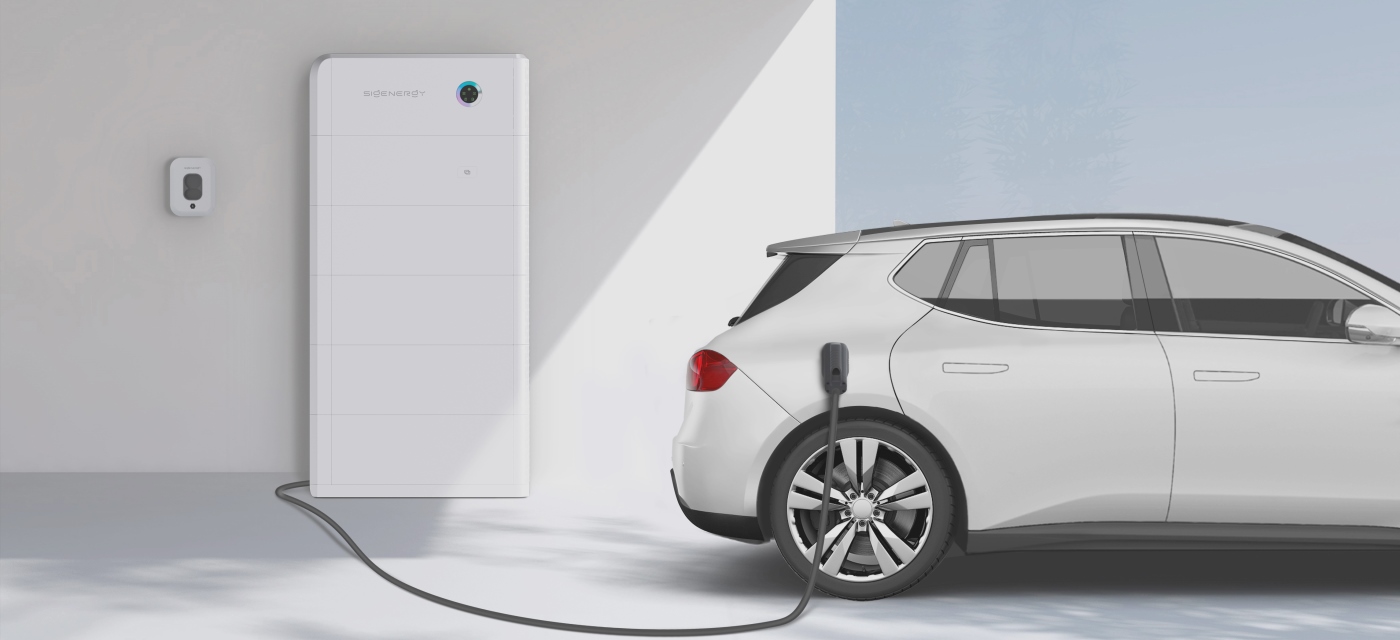
V2H turns a compatible electric car into extra home storage: while it's plugged in, the car's battery can power your house instead of just charging from it. We install SigEnergy's SigenStor system, which is V2H-ready — one of the reasons we recommend it over most alternatives.
Here's what that means in practice, and where we won't oversell it:
- Only certain cars and chargers support it. Your specific EV needs to be on the current compatible list, and you need V2H-capable hardware — not a standard EV charger. We check this on the survey before quoting anything.
- It's V2H, not V2G — for now. Today, the power your car gives back stays inside your home. Exporting from your car to the grid for payment (V2G) isn't generally available in the UK yet. Anything promising guaranteed V2G income right now is ahead of where the market actually is.
- We won't quote a savings figure here. What V2H is worth depends on your car's battery size, how often it's home and plugged in, your driving pattern, and your tariff — different for every household. We'll go through your specific numbers honestly on a free survey rather than promise one that might not hold up for your home.
- It isn't a guaranteed backup power system. V2H can help power your home where the hardware and configuration support it, but it isn't a substitute for a dedicated backup system if guaranteed outage cover is what you actually need — we'll say so plainly if that's your situation.
See the full Vehicle-to-Home (V2H) page for the current compatible car list and how the installation works, or the SigenStor page for the wider battery system it's built on.
Who this combination actually suits
You're likely to get real value from some combination of these if:
- You drive an EV, or you're planning to switch soon
- You're usually home to charge overnight, or during the day if you have solar
- You already have solar, or you're considering it alongside a battery
- You want to shift more of your electricity use away from the most expensive hours of the day
- You're curious about V2H, but want the realistic version before you commit to anything
If none of that sounds like you yet, that's a useful thing to know before spending money on hardware you won't get the benefit from. We'll tell you that too, if it's the honest answer.
How we approach it
Free Home Survey
We look at your roof, consumer unit, EV (if you have one), and how you actually use electricity day to day — not just what's technically possible.
Confirm Your Actual Tariff & Compatibility
We check your current supplier's live rates, and — if you're considering V2H or an export-linked tariff — whether your car and battery model are on the current compatible list. You get real numbers before committing, not a generic estimate.
Fixed-Price Installation
Solar, battery, EV charger, and — where your car supports it — V2H, installed and commissioned together or in stages. MCS & NAPIT certified, with a written fixed price before any work starts.
Get your setup checked properly
Free survey across Milton Keynes and Buckinghamshire. We'll confirm your current tariff options, your car and battery compatibility, and give you a fixed-price quote — no guessed numbers, no pressure.
Common Questions
It depends on your setup, and the honest answer changes as suppliers update their tariffs. Without a battery, a simple EV-only smart tariff for overnight charging is usually the strongest starting point. Add a compatible battery and you may also be able to move to a tariff that pays more for exporting during specific peak hours — but battery compatibility lists and rates are set by your supplier and do change, so we check the current live options with you during your survey rather than quote a fixed answer here.
No. EV-only smart tariffs such as Intelligent Octopus Go work by scheduling your car's charging into a low-rate overnight window — no battery required. A battery adds a second layer on top of that: storing daytime solar or cheap overnight import so you can use it later in the day too.
No. Standard EV chargers only charge the car — they can't send power back the other way. V2H needs specific bidirectional hardware and a compatible car. We install SigEnergy's SigenStor system, which is V2H-ready; see our Vehicle-to-Home page for the current compatible vehicle list.
No, and we won't tell you it will. What V2H is worth depends on your car's battery size, how often it's home and plugged in, your tariff, and your driving pattern — all different for every household. We'll talk through your specific numbers honestly on a free survey rather than promise a figure that might not apply to your home.
Not generally, no. What's available now is V2H (Vehicle-to-Home) — your car can power your own home, but it can't yet export back to the grid for payment on a wide commercial basis. SigEnergy's hardware is designed to be upgradable if and when V2G becomes available in the UK.
Directly from your energy supplier — their website or app is the up-to-date source, since rates and compatible-battery lists change over time. If you'd like, we'll help you check this against your setup during a free survey, and confirm whether your intended battery or car qualifies for any smart tariff you're considering.
Read more on this
- our Vehicle-to-Home (V2H) installation page
- battery storage — full overview
- SigenStor by SigEnergy — the V2H-ready system we install
- standard EV charger installation
- solar panel installation
- combined solar and battery packages
- our full guide to energy tariffs for solar households
- our complete UK guide to V2H
- Octopus EV charger installation reviewed
Ready to find out what actually works for your home?
Free, no-obligation survey. We'll check your tariff options and confirm what your car and battery are genuinely eligible for before you commit to anything.
Or email info@depthoflight.co.uk | Send a message
MCS & NAPIT certified • Fixed pricing • Milton Keynes based